From August the 12th / 13th until September the 10th this year, it’s Ghost Month or Hungry Ghost Month in China, with the Hungry Ghost Festival on August the 26th / 27th. But what does this all involve, and what led to its customs and traditions?

Since ancient times, China has worshipped the dead in the seventh lunar month of the year. It is said that on the first day of that month, the gate to the underworld opens wide and for 28 days after that, ghosts are out and about until the gate closes again. Sacrifices and prayers are made to the gods to ensure safety during this time, and certain amulets are carried to repel evil or bad luck.
According to ancient Chinese beliefs, those who died in a normal way could reincarnate, but anyone who died guilty or who died by accident would wander the mortal realm as ghosts. Evil spirits could take the chance to cause disasters and accidents that cause more living people to die. Anyone who unexpectedly dies during Ghost Month is said to have been “taken away by ghosts”.
The spirits of ancestors are also thought to pay a visit to their families. But it’s the ghosts who wander without living descendants who need appeasing.
On the first day of Ghost Month, households either put on a feast or prepare fruits and desserts to show respect. The idea behind this is that whatever accepts your food cannot bring you trouble. People light incense at their doorways and offer such things as rice and tea as well, and clean their homes.
On the second day, public places such as shops and offices offer a food sacrifice.
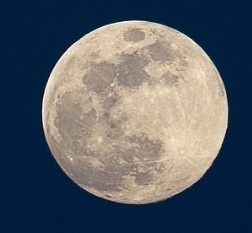
The Hungry Ghost Festival or Zhongyuan Festival falls on the fifteenth day, when there is a full moon. During the night and early hours of that morning, ghosts gather and evil spirits amass. During the Festival, individuals burn joss paper or paper money by the side of the road and invoke their ancestors or ghosts with sacrifice. On the sixteenth day, public places follow suit.
The sacrifices are put on altars that are on the ground and not raised above it, because it is thought that hungry ghosts are too restless to approach high-up spaces.
During the Festival, theatrical troupes would often be invited to perform for the gods and entertain the guests at outdoor banquets. These days, China encourages more frugality so the sacrifice event is usually simpler, though Chinese opera and puppet shows are still held for the entertainment of the living and the dead.
Later on, some communities float lanterns on rivers to help guide the spirits. This happens at the start of the final week.
On the final day of Ghost Month, the ghosts return to the underworld and the gate is closed. People give sacrifices on this day to ask for safety during the rest of the year, and clean their homes again.
Some people distribute rice and other foods to the poor during the month.
There are various rules for Ghost Month to ensure good luck and to avoid being attacked or “taken by the ghosts.”
Children, the elderly, and other sensitive people avoid going outside at night during that month.
People avoid going into the sea or other bodies of water. It is thought that spirits in the water are looking for bodies to reincarnate in and will try to drown those who go swimming.
People avoid playing any sort of supernatural game.
Understandably, people avoid having elective surgeries during Ghost Month as well.
Other things avoided include moving house, launching businesses, holding any weddings, crying or shedding tears at midnight (crying in daylight is fine, but tears shed at midnight can call the ghosts to you), and tapping someone on the shoulder.
There is a Chinese belief that the human body has three fires – one on the head and one on each shoulder. Tapping someone on the shoulder is thought to briefly extinguish the fire there and create a weakness towards the ghosts, especially if the person tapped is in bad health.
Other taboos during Ghost Month:
- Calling someone by their name (ghosts can take three souls and the six senses of those you call by name)
- Glancing behind you when out walking in the countryside or somewhere sparsely populated, especially if you think someone is calling after you
- Talking about ghosts outside during the night. Speaking positive words doesn’t matter, but if you say anything criticising ghosts or the dead, watch out. Something unfortunate could happen to you!
- Hanging clothes outside at night. Ghosts like living people’s clothes and will touch them or borrow them, which is not good for you.
- Sitting in the front row of the audience during the performances. The seats at the front are reserved for the ghosts. Something bad may happen to you if you take one of their seats.
- Opening umbrellas inside the house. This may attract evil spirits because they don’t like exposure to the light.
- Taking the last bus or the last train. These are thought to be used by the ghosts, so if you board the last one you’re basically sitting surrounded by spirits.
- Whistling. Ghosts hear whistling as a call for attention from them.
- Hammering at midnight.
- Picking up money from the side of the road. This is seen as money belonging to the dead, or might have been used in a marriage ceremony for people already dead. Take it and risk being haunted. (This also applies to picking up random objects from the roadside.)
- Leaning against walls. Spirits travel along walls, and you could be blocking their path.
- Renovating or otherwise disturbing the ground. This would annoy earth spirits.
- Staying up late at night. This gets you haunted.
- Plunging chopsticks into a plate of food. This is like putting incense into a burner and is seen by the ghosts as you inviting them to eat with you.
- Eating sacrifices. Do this and you will be competing with the ghosts for food, bringing yourself bad luck.
- Celebrating your birthday at night (during the day is fine).
- Leaving slippers pointing towards the bed. This encourages ghosts to get in the bed with you.
- Having a banyan tree outside your gate. Ghosts like to gather around these trees and it can lead to having a haunted house.
- Hanging a windchime near the bed. This invites ghosts to haunt your sleep.
- Taking photos at night. The ghosts might appear in the resulting pictures.
- Shining a torch over a tree. This could wake up any spirits inside the tree.
Amulets and good-luck talismans are carried around, which include prayer beads, coarse salt, glutinous rice, crosses, and lodestones.
Actions encouraged during Ghost Month include honouring your ancestors, doing charitable work, meditating or self-reflecting, deep cleaning and decluttering, planning and preparing for new ventures (but not starting anything new), and practicing gratitude.
Ghost Month is observed not just in mainland China but in Taiwan, Hong Kong, Singapore, and Malaysia.
Origins & History
The Ghost Month combines practices from both Daoist and Buddhist traditions.
In Daoism, the 15th of the 7th lunar month is the birthday of the Earth Official (Di Guan) who is one of three officials believed to judge humanity’s actions. On this day the balance between yin and yang changes, making the boundary between realms weaker.
In Buddhism, this time was Ullambana Sutra, when the disciple Maudgalyayana attempted to rescue his mother from her suffering in the world of hungry ghosts. The Buddha advised him to make offerings to monks on the 15th of the seventh month, which gave rise to the idea of the Ghost Festival.
Over the centuries, these merged with local folk customs to create the Ghost Month as we know it today.
Sources
https://www.yourchineseastrology.com/calendar/ghost-month.htm
https://www.yourchineseastrology.com/calendar/ghost-month-taboos.htm
https://www.fengshuiwithjackson.com/article-august-ghost-month.html
Chinese Ghost Month 2026: Traditions, Taboos, and Meaning

