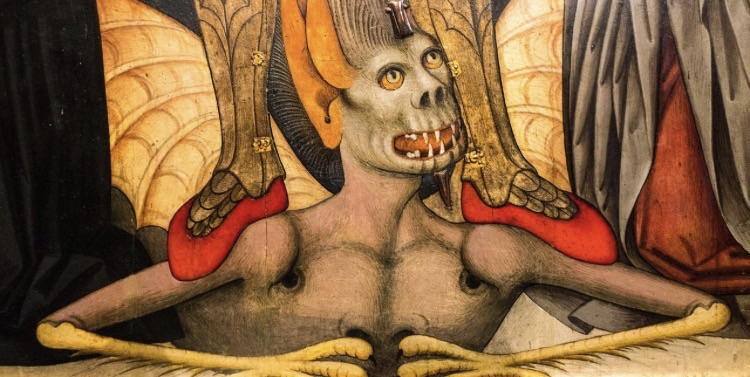
Yesterday we took a look at what sleep paralysis is, its possible causes, and how to cope with it. Now let’s see how sleep paralysis was viewed in history and folklore, and its influence on literature. Because why not?
Tag Archives: witches
The Voices of Joan of Arc
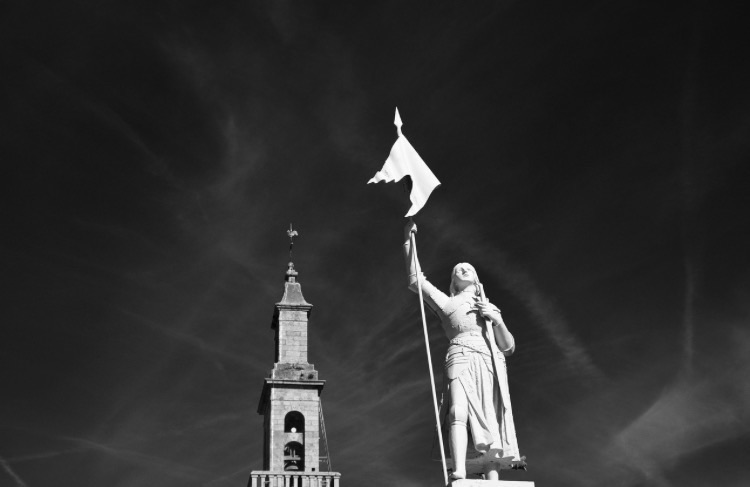
A young French girl claimed to hear messages from God and angels telling her to lead her country to victory over the English. But where did these voices originate from?
Haunted Stately Piles in the UK
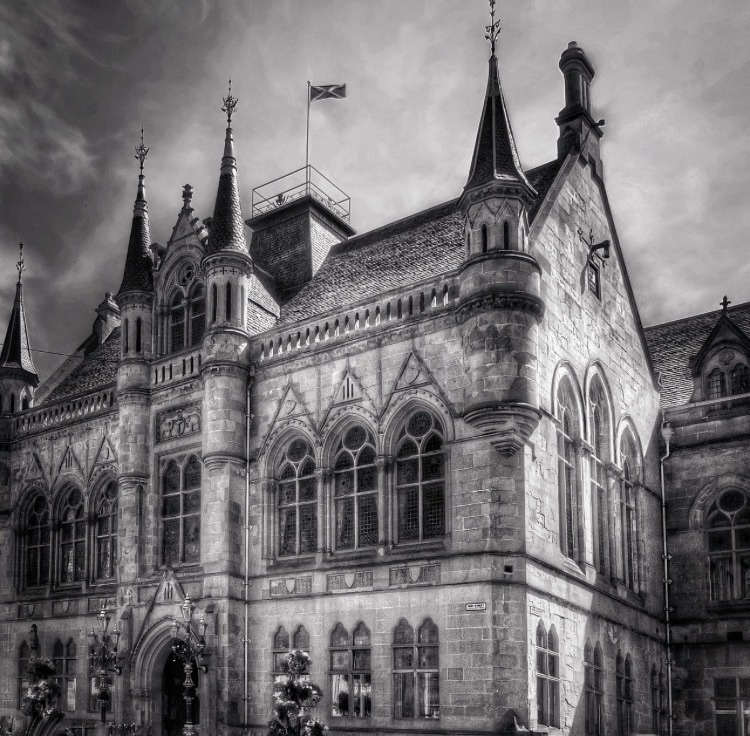
Sounds painful, doesn’t it? Anyhow, this is a list of some of the most ghost-ridden old buildings in the UK.
I’m Owl About Them Owls
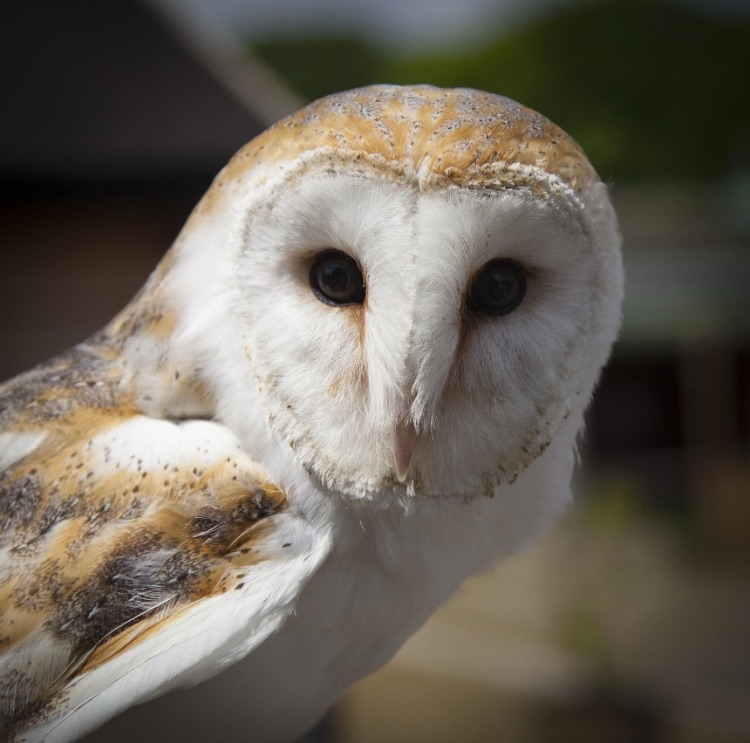
After reading Alan Garner’s “The Owl Service” recently I went on to learn about the Welsh myth of Blodeuwedd. Then I went on a deep-dive into the folklore surrounding owls…
Most Haunted Places in the UK and Its Environs
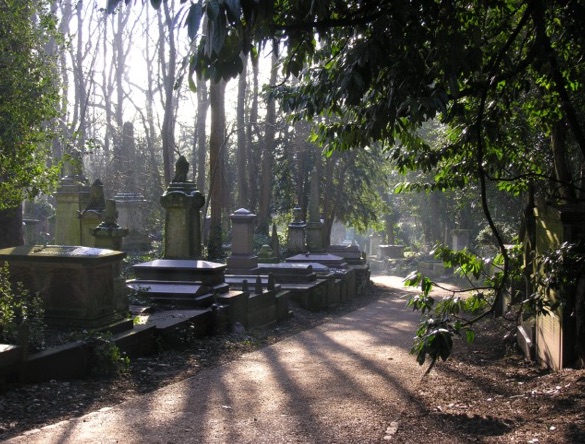
Some ghostly and historical tidbits about the most haunted locations in the country in which I fester (and places surrounding that).
Wintry Reading

Now come the days of taking shelter with something booky with the heating turned up or swathed in a duvet chrysalis. Here are some of the books I like to revisit in autumn and winter.
Poems & Writings for the Dark Season
A selection of poems and excerpts for Halloween and the dark Gothic season that falls afterwards along with website and YouTube channel recommendations
Old Book Reviews from Goodreads

Old book reviews written by Han Adcock in 2021.
Who and What is Wonda?

Wonda is a somewhat vague, nebulous, and free spirit* with a subtle current of mystery and hidden wisdom about what lies behind the veneer of reality. (*When this author says “spirit” he means personality — Wonda is a human, not a Ghost.) This young woman lives in a secluded tower on a piece of landContinue reading “Who and What is Wonda?”
Ignes Fatui Around the World

Latin – English translation: “Foolish Flames.” Known in the UK as hinkypunks, friar’s lanterns, or jack-o-lanterns, ignes fatui or ghostlights / will-o-the-wisps appear in certain areas and are believed to lead travellers astray in folklore (or, sometimes, to show them the correct route to take if they are already lost). Last week’s post covered theContinue reading “Ignes Fatui Around the World”
Who was Saint Eridmus?

In the present day, not many people know who Saint Eridmus was and what he did to become revered, let alone why the Church of St Eridmus bears his name. During the time in which the second book of the Nighthunter is set, there are no such things as wizards. They were all wiped outContinue reading “Who was Saint Eridmus?”
What and Where is Coven?

No one in the village of Corvin, let alone in the continent of Dal-Rhiatah, knows precisely where Coven is or even of its existence, but it is sometimes briefly alluded to in ancient texts and oral storytelling in more rural parts of that country. Located somewhere in the misty, Ghost-ridden Barren Plains, Coven is aContinue reading “What and Where is Coven?”
Who and What is Reed?
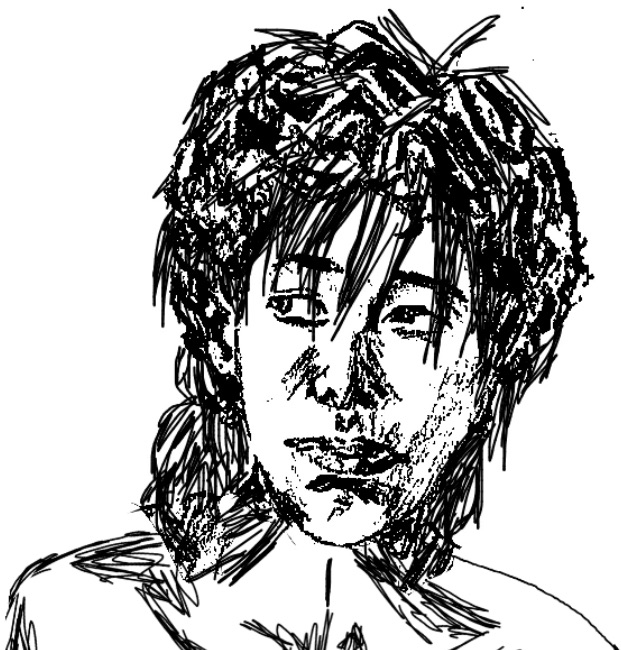
Reed is the longstanding nickname of one of the eldest boys in the shanty town of Coven. Four or five years older than Toby and Elka, he is the main authority figure when Noran is elsewhere or otherwise busy. Whenever bands of children are sent out from Coven to patrol its perimeter and scrounge forContinue reading “Who and What is Reed?”
A Little More About Ghostmerchants

I touched upon what a ghostmerchant does and the role of that profession towards the end of this post in my blog marathon about magical objects and beliefs in folklore. In the second book of The Nighthunter series, the current ghostmerchant of Corvin is a dull and unassuming-looking man named Mr Brosban. His main jobContinue reading “A Little More About Ghostmerchants”
Who and What is Captain Rossa?

This young female member of the Griny-Plinth is their army’s second-in-command under General Morticum. We meet Captain Rossa during Logan‘s adventures on the magical continent of Thosea, when he and his friends are captured by the Griny-Plinth army and detained for being homo sapiens in their territory. She is a stickler for propriety and followingContinue reading “Who and What is Captain Rossa?”
Who and What is Plintheus Morticum?
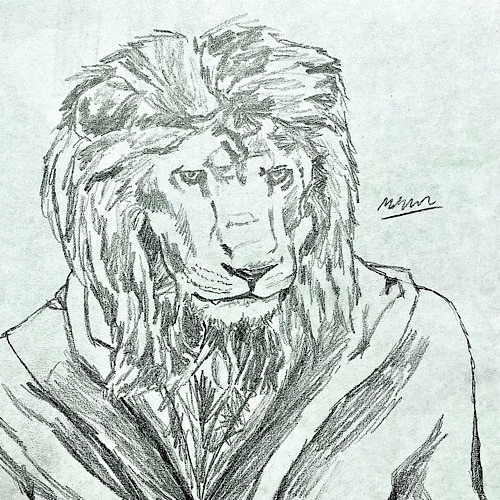
Plintheus Morticum the First, otherwise referred to as General Morticum or My Lord, is the leader and guardian of a race of sentient rodent-type creatures known as the Griny-Plinth. He lives in the Griny-Plinth burrow (which was constructed around and on top of an ancient burial mound) past the river Eridanus on the magical continentContinue reading “Who and What is Plintheus Morticum?”
The Art of Smudging

Amulets & Talismans Part XVII Smudging was practiced by many different peoples and cultures, including the Native Americans, and is still utilised by some tribes today (e.g. the Lakota) in ceremonial, purifying rituals. The smoke-cleansing aspect of it is used today by modern witches and feng shui experts. But what is it, and how doesContinue reading “The Art of Smudging”
The Chaldeans and their Magic Circles
Part XVI of Amulets & Talismans The Chaldeans were an ancient race who migrated from the Levant into Assyrian lands in 940 – 855 BC, and are famous for their contributions to writing, mathematics, and astronomy. They were the first to have a seven-day week and introduced the concept of there being 60 seconds inContinue reading “The Chaldeans and their Magic Circles”
Babylonian Stones & Amulets… and the Corverus Stone
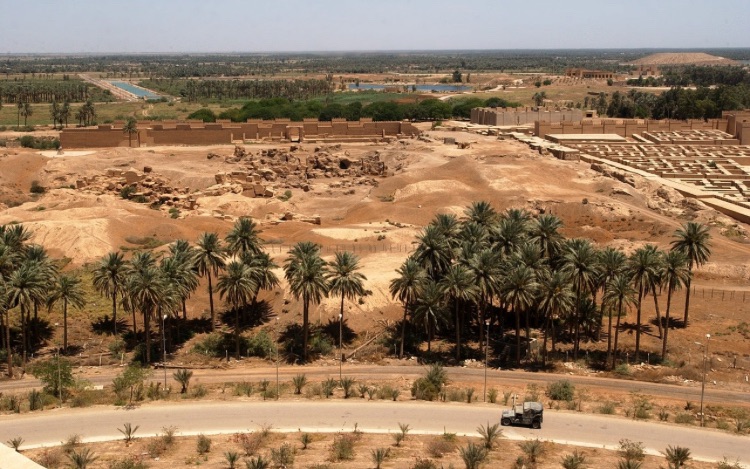
Part XIV of Amulets & Talismans Babylon had special boundary stones (or “kudurru” stones in Akkadian, a language used in ancient Mesopotamia). These stones were seen as sacred and magical. Kudurrus were a stone record of gifts (kind of like a receipt) especially for such things as land grants given to someone by the King.Continue reading “Babylonian Stones & Amulets… and the Corverus Stone”
Review: The Inhabitant of the Lake & Other Unwelcome Tenants by Ramsey Campbell

4 out of 5 stars One of my first thoughts, on reading “The Horror From the Bridge” (the second tale in this collection) was: who is Peabody and why is their voice drifting out of the window (on page 28)? The second story, “The Insects from Shaggai” was one of my favourites. The description ofContinue reading “Review: The Inhabitant of the Lake & Other Unwelcome Tenants by Ramsey Campbell”
All About Hagstones
Part IX in Amulets & Talismans Also known as adder stones or dobby stones, are stones or pebbles that have holes naturally going right through them. These stones were — and sometimes still are — thought to possess magical qualities. These include the ability to heal snake bites, or to see through the disguise orContinue reading “All About Hagstones”
Dead Cats and Lucky Cats

Part VIII of Amulets & Talismans Since at least the 16th-century in England, Scotland, North Europe, and North America, people erecting houses would hide the corpse of a cat (and sometimes other objects such as old shoes, dried dead rats, and witch bottles) in the walls of the building to repel evil spirits and protectContinue reading “Dead Cats and Lucky Cats”
Witch Dolls & Rowans

Part VII of Amulets & Talismans Witch dolls — otherwise known as poppets, poppits, moppets, mommets, pippies, or kitchen witch figures — are small dolls or figures made to represent someone in order to either help that someone or cast a spell on them. They are sometimes discovered hidden in chimneys. Witch dolls have beenContinue reading “Witch Dolls & Rowans”
Rabbit’s Feet & Frog Coffins
Part VI of Amulets & Talismans The belief in carrying a rabbit’s foot amulet for good luck is held in a lot of places including Europe, Africa, Australia, North America, and South America. In some cases, the rabbit from which the foot came must have certain attributes, for example meeting its demise in a particularContinue reading “Rabbit’s Feet & Frog Coffins”
The power of horseshoes and elf arrows
Part V of Amulets & Talismans Most people are aware that the horseshoe is a talisman that brings good luck. However, not a lot of folks know why or how they are supposed to work these days. Because iron was a valuable metal, so that horseshoes were usually reforged and reused, archaeologists cannot know forContinue reading “The power of horseshoes and elf arrows”
Cambions, Witch Prickers, and what in the nine Hells is a ghostmerchant?
Part IV of Amulets & Talismans In last week’s article on witch marks (and witch’s marks…) I touched on the “witch’s teat” and mentioned about cambions. Here is the lowdown on these entities. The witch’s teat — either some kind of skin tag or a supernumerary nipple — was a perversion of the maternal, andContinue reading “Cambions, Witch Prickers, and what in the nine Hells is a ghostmerchant?”
Witch Marks & Curse Tablets
Amulets & Talismans Part III Between the 16th and 19th centuries, strange marks were inscribed near the doorways, windows, and hearths of medieval churches, houses, and barns, and even in caves. Carved into stone or woodwork, these marks were for the protection of inhabitants and their visitors. Protection from evil spirits and witches, hence theContinue reading “Witch Marks & Curse Tablets”
Witch Balls and Witch Seats (Amulets & Talismans Part II)

Similar to witch bottles, witch balls were hollow vessels, usually fashioned out of glass, that were filled with things to ward off evil spirits, evil spells, bad luck, and of course witches. They were hung in cottage windows in the 1600s and 1700s, especially in East and South Sussex in England, though the custom ofContinue reading “Witch Balls and Witch Seats (Amulets & Talismans Part II)”
Amulets & Talismans: Witch Bottles

Amulets & Talismans Part I Witch bottles were a type of apotropaic magic (apotropaic = from the Greek apotrepo, which means to ward off). These strange bottles are mentioned in historical sources from both England and America, the earliest mention being from 17th-century England. However, the term “witch-bottle” was not used for them until the 19th century,Continue reading “Amulets & Talismans: Witch Bottles”
Who and What is Elka Wyverg?

Elka is an eleven-year-old ghostbait child living in Corvin, a village or small town in Dal-Riatah, with her younger brother (Toby) and her parents. Dal-Riatah is a continent in the North-West of the Dal-Riatan Empire and its environs, and this country has a curse on it: every child is born either ghostbait (they “Bring” GhostsContinue reading “Who and What is Elka Wyverg?”
Whatever Happened To Elizabeth Knapp?

The Possession Diaries Part VI The case of Elizabeth Knapp’s possession was unusual in the sense that it was recorded and analysed from a more scientific point of view. Elizabeth was a servant in Reverend Samuel Willard’s household and the daughter of a farmer. Reverend Willard was a well-known preacher in the church of Groton, a PuritanContinue reading “Whatever Happened To Elizabeth Knapp?”
The Signs of Being Possessed, Magdelaine Bavent, and the Louviers Convent (The Possession Diaries Part V)

Magdelaine (or Madeleine) Bavent, born in 1607 in Rouen, was an orphan. Aged 12, she became apprenticed to a linenworker, who depended on the custom of the Church. According to a historian (Jules Michelet), the confessor of the establishment likely drugged his apprentices with a herb akin to atropa belladonna and made them believe he had taken themContinue reading “The Signs of Being Possessed, Magdelaine Bavent, and the Louviers Convent (The Possession Diaries Part V)”
The Book of Dom Calmet
The Abbot Antoine Augustin Calmet, a Benedictine monk and Lorraine scholar in the 18th century, published two volumes of a book, “Treatise on the Apparitions of Spirits, and on Vampires or Revenants of Hungary, Moravia, et al.” The book was about extensive investigations into the occult, angels, demons, and other types of spiritual entities. OriginallyContinue reading “The Book of Dom Calmet”
The Possession of Lady Elisabeth de Ranfaing – The Possession Diaries part IV
Mademoiselle de Ranfaing was perhaps the first person to be considered “truly” possessed by something, and her predicament was all seemingly caused by love potions. Her story was investigated and included in the book “Treatise on the Apparitions of Spirits and on Vampires or Revenants of Hungary, Moravia, et al” by an Abbot named AntoineContinue reading “The Possession of Lady Elisabeth de Ranfaing – The Possession Diaries part IV”
The Possession Diaries III: The Loudun Possessions
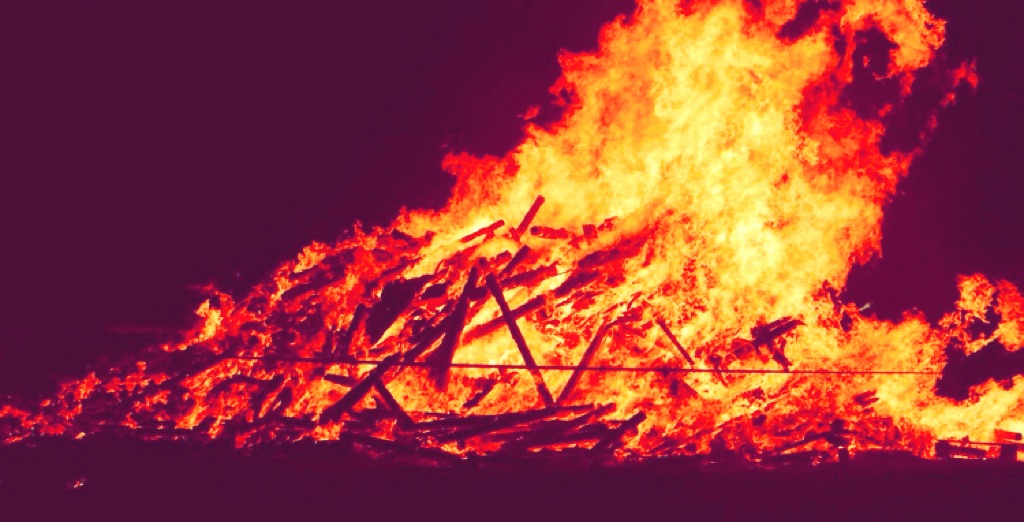
In 1634, a convent of Ursuline nuns in the French kingdom of Loudun claimed they had been visited and possessed by demons. After an investigation by the Catholic church, a priest named Father Urbain Grandier was accused of summoning the demons and sentenced to be burned to death at the stake. This case “rhymes” withContinue reading “The Possession Diaries III: The Loudun Possessions”
The Possession Diaries Part II: The Aix-en-Provence possessions

Welcome to part two of The Possession Diaries. You can find part one here The Aix-en-Provence possessions were a series of alleged demonic possessions amongst the Ursuline (the Order or Company of Saint Ursula) nuns of Aix-en-Provence, in South France in the year 1611. Father Louis Gaufridi was blamed and accused of causing the possessionsContinue reading “The Possession Diaries Part II: The Aix-en-Provence possessions”
 Nightwalks