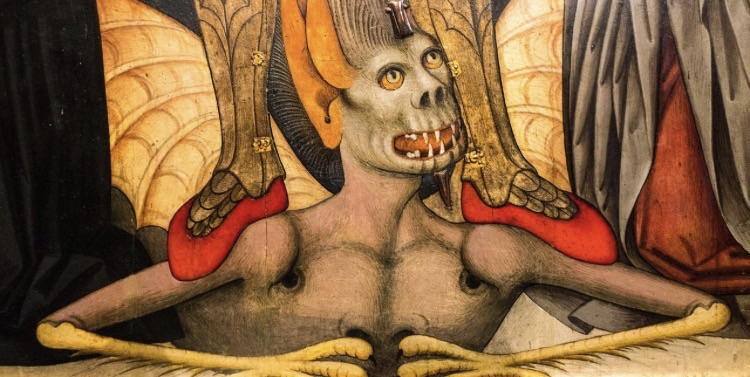
Yesterday we took a look at what sleep paralysis is, its possible causes, and how to cope with it. Now let’s see how sleep paralysis was viewed in history and folklore, and its influence on literature. Because why not?
Tag Archives: folklore
The Voices of Joan of Arc
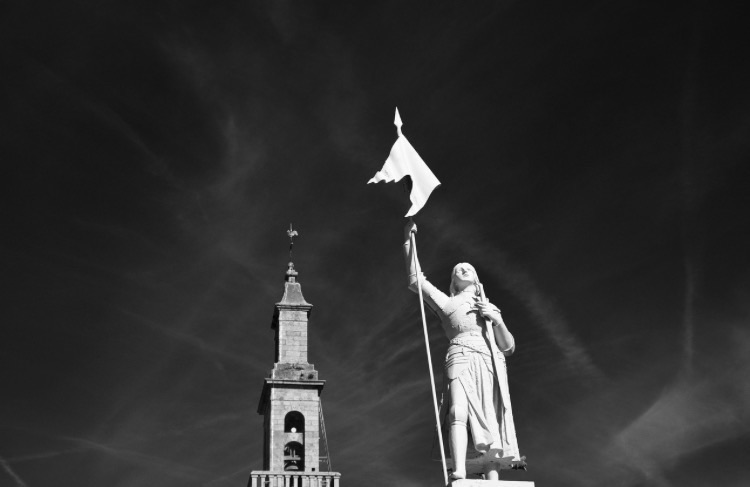
A young French girl claimed to hear messages from God and angels telling her to lead her country to victory over the English. But where did these voices originate from?
The Versailles Incident
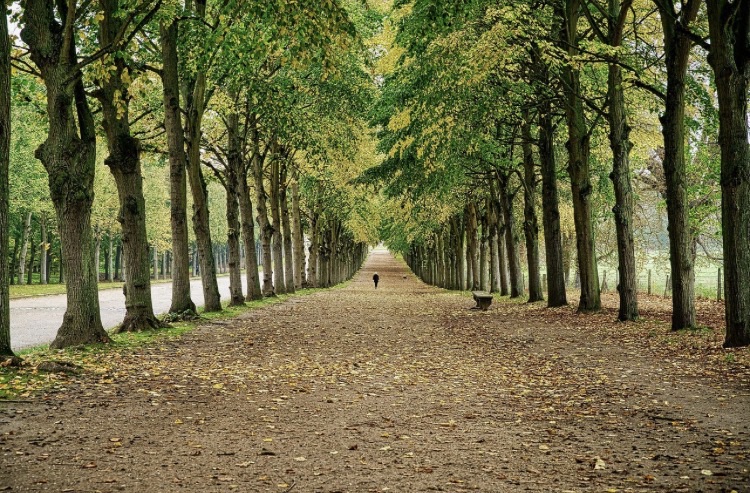
A supernatural journey through time by two Edwardian headmistresses
Haunted Stately Piles in the UK
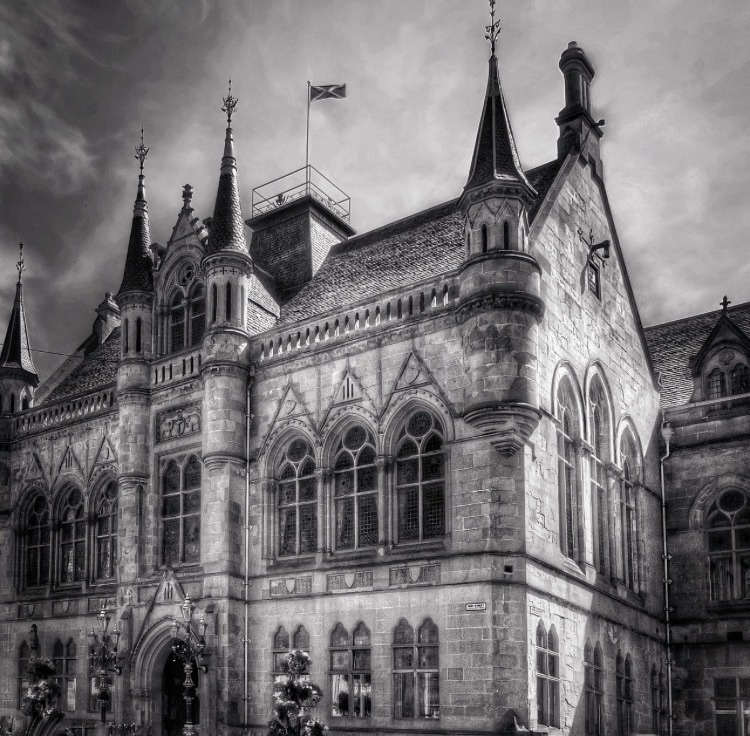
Sounds painful, doesn’t it? Anyhow, this is a list of some of the most ghost-ridden old buildings in the UK.
I’m Owl About Them Owls
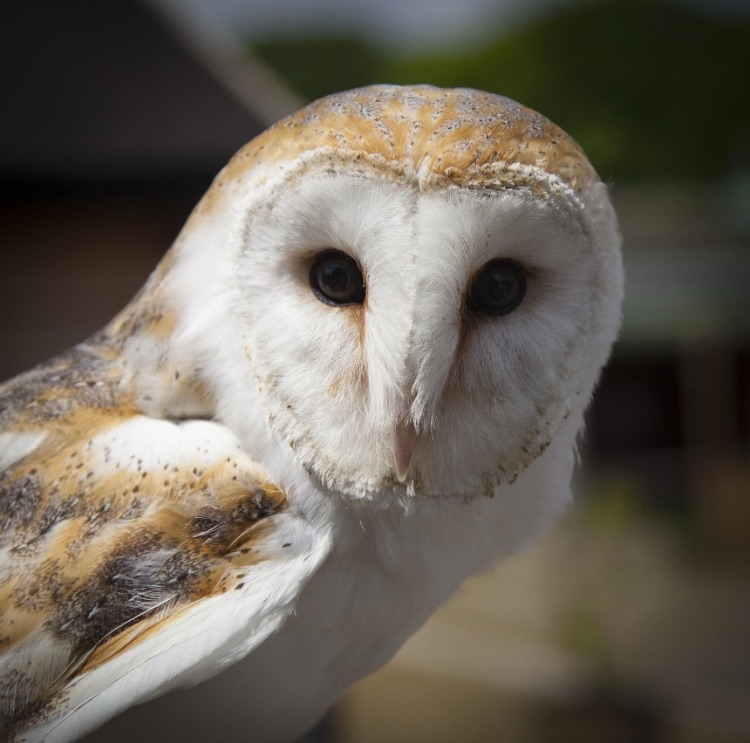
After reading Alan Garner’s “The Owl Service” recently I went on to learn about the Welsh myth of Blodeuwedd. Then I went on a deep-dive into the folklore surrounding owls…
The Crow King and the Tengu
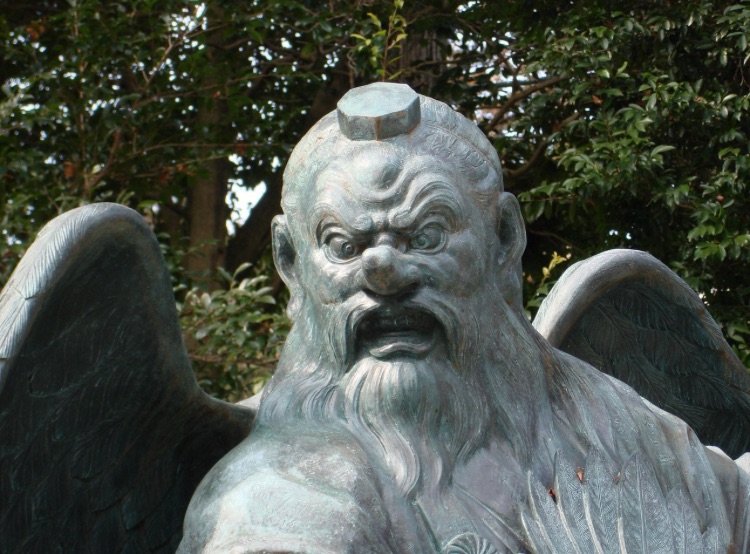
Whilst I was halfway through writing a book of short stories (still a work in progress) about a particular character, “The Crow King” – a sort of minor bird-god – that I found out about the Tengu, and noticed a bizarre and uncanny resemblance. I thought I’d share my findings and how this serendipity occurred here.
Most Haunted Places in the UK and Its Environs
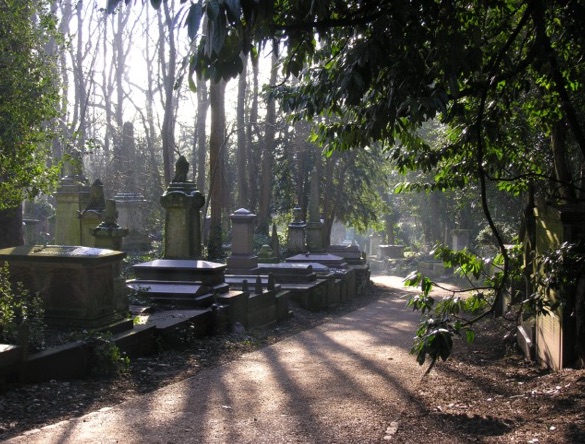
Some ghostly and historical tidbits about the most haunted locations in the country in which I fester (and places surrounding that).
The Coldness of Ghosts

A sudden drop in temperature is often associated with hauntings. The question is why? We also look at Mary King’s Close.
Wintry Reading

Now come the days of taking shelter with something booky with the heating turned up or swathed in a duvet chrysalis. Here are some of the books I like to revisit in autumn and winter.
Reviews from Goodreads in 2012

Digitally looking back to a less complicated time, I found the first reviews I wrote on Goodreads in 2012, when I was aged 19 to 20.
Goodreads Reviews from 2014

Digitally travelling back in time to a less complicated era, I found old reviews I wrote for books on Goodreads. This was what I was feeding my brain more than ten years ago.
The Stories We Tell Ourselves

Why do we tell stories and how are archetypes used in literature and marketing?
Ghosts and Carl Jung’s Collective Unconscious
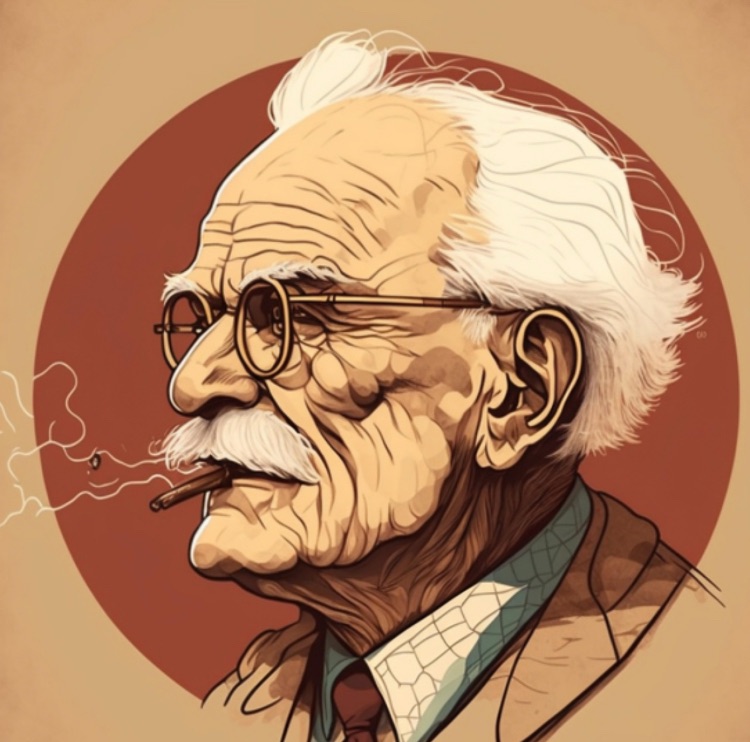
Whilst I was ferreting about in a graveyard testing Ghost-hunting apps on my phone last week, one of the apps mentioned that ghosts may be part of Carl Jung’s “Collective Unconscious”. So… who was Carl Jung, and what had he got to say about ghosts? Read on to find out. Carl Jung This fellow wasContinue reading “Ghosts and Carl Jung’s Collective Unconscious”
Fireships and Ghostlights

Last week we covered some different versions of will-o-the-wisps from various corners of the Earth, some well-known, others almost unheard of (by those in the Western world, that is). What follows are some extra ghostly oojamaflicks that didn’t make it into that post, including a phantom fireship. The Fireship of Baie des Chaleurs Otherwise calledContinue reading “Fireships and Ghostlights”
Ignes Fatui Around the World

Latin – English translation: “Foolish Flames.” Known in the UK as hinkypunks, friar’s lanterns, or jack-o-lanterns, ignes fatui or ghostlights / will-o-the-wisps appear in certain areas and are believed to lead travellers astray in folklore (or, sometimes, to show them the correct route to take if they are already lost). Last week’s post covered theContinue reading “Ignes Fatui Around the World”
Shedding a light on Ghostlights
Atmospheric ghostlights (will-o-the-wisps or hinkypunks, to use some older terms) are strange lights that appear in the air / sky at a distance (even close to the ground) without an exact logical explanation for their existence. We’ve all probably heard folktales or stories concerning distant lights in swamps or marshes that lure unwary travellers intoContinue reading “Shedding a light on Ghostlights”
Conversing with the Dead

The term “seance” comes from the French word meaning “session,” (from Old French seoir, meaning “to sit”). These days, practically everyone knows a seance involves meeting with a group of like-minded people (or curious sceptics) in a dimly-lit or darkened room to try to communicate with the deceased or other denizens from the “spirit world.”Continue reading “Conversing with the Dead”
A Little More About Ghostmerchants

I touched upon what a ghostmerchant does and the role of that profession towards the end of this post in my blog marathon about magical objects and beliefs in folklore. In the second book of The Nighthunter series, the current ghostmerchant of Corvin is a dull and unassuming-looking man named Mr Brosban. His main jobContinue reading “A Little More About Ghostmerchants”
The Cup, the Spear, and the Shroud

Part XVIII of Amulets & Talismans By now, mostly everyone knows what the Holy Grail is. According to this BBC article from 2022, it may be on display in Valencia Cathedral… but what exactly was it used for, and where did the stories about it originate from? When it was first mentioned in Perceval, TheContinue reading “The Cup, the Spear, and the Shroud”
The Art of Smudging

Amulets & Talismans Part XVII Smudging was practiced by many different peoples and cultures, including the Native Americans, and is still utilised by some tribes today (e.g. the Lakota) in ceremonial, purifying rituals. The smoke-cleansing aspect of it is used today by modern witches and feng shui experts. But what is it, and how doesContinue reading “The Art of Smudging”
The Chaldeans and their Magic Circles
Part XVI of Amulets & Talismans The Chaldeans were an ancient race who migrated from the Levant into Assyrian lands in 940 – 855 BC, and are famous for their contributions to writing, mathematics, and astronomy. They were the first to have a seven-day week and introduced the concept of there being 60 seconds inContinue reading “The Chaldeans and their Magic Circles”
Selkies and How to Protect Yourself Against Lightning

Part XV of Amulets & Talismans The mythical half-human creatures known as Selkies can be found in Norse, Scottish, Irish, Icelandic, and Faroese stories. Selkies shapeshifted between human and seal form by shedding and replacing their skins. The word “Selkie” comes from the Scottish word selch, which means “grey seal.” The most common form ofContinue reading “Selkies and How to Protect Yourself Against Lightning”
Babylonian Stones & Amulets… and the Corverus Stone
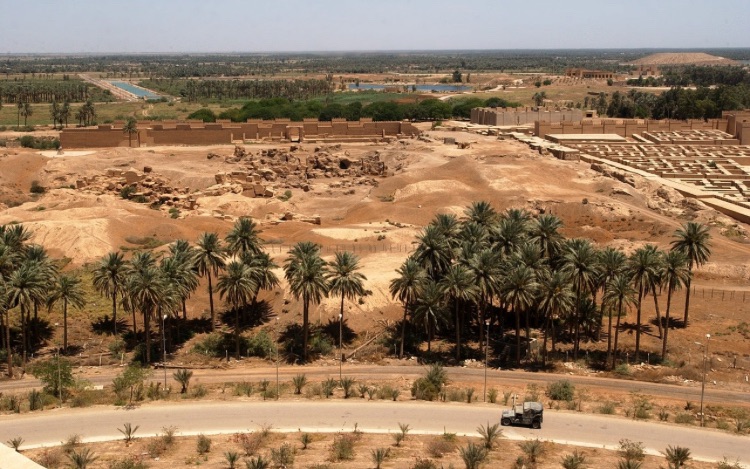
Part XIV of Amulets & Talismans Babylon had special boundary stones (or “kudurru” stones in Akkadian, a language used in ancient Mesopotamia). These stones were seen as sacred and magical. Kudurrus were a stone record of gifts (kind of like a receipt) especially for such things as land grants given to someone by the King.Continue reading “Babylonian Stones & Amulets… and the Corverus Stone”
Incantation Bowls & Hebrew Amulets
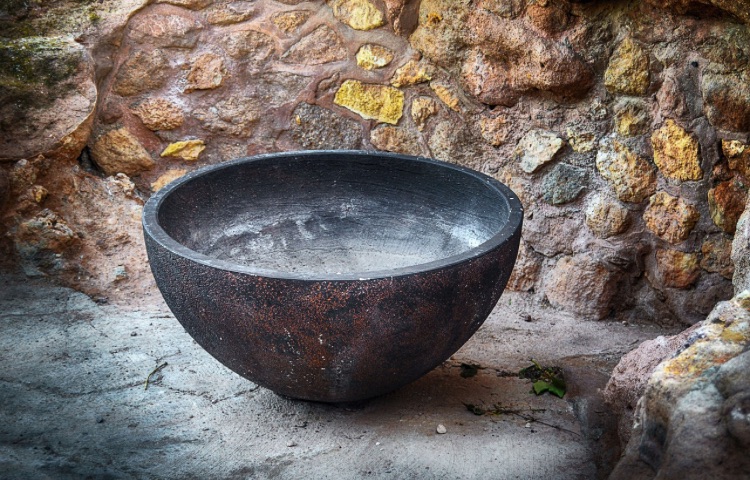
Part XIII of Amulets & Talismans Incantation bowls are now discovered in the regions of Iran and Iraq. They were made there from the 6th to 8th centuries AD. The bowls are usually carved with text going in a spiral on the inside from the rim towards the centre, but some are inscribed on theContinue reading “Incantation Bowls & Hebrew Amulets”
The goddess Lamashtu & Sumerian Amulets

Part XII of Amulets & Talismans Sumeria was in the southern part of Mesopotamia, which is now mostly Iraq. The ancient Sumerians had a few different types of amulets for different purposes, including engraved models of animals, bell-shaped amulets, and agates made to look like eyes. The tiny models of animals were some of theContinue reading “The goddess Lamashtu & Sumerian Amulets”
All About Ankhs, Horus’s Eye, the Nazar… and the Coven Stone?
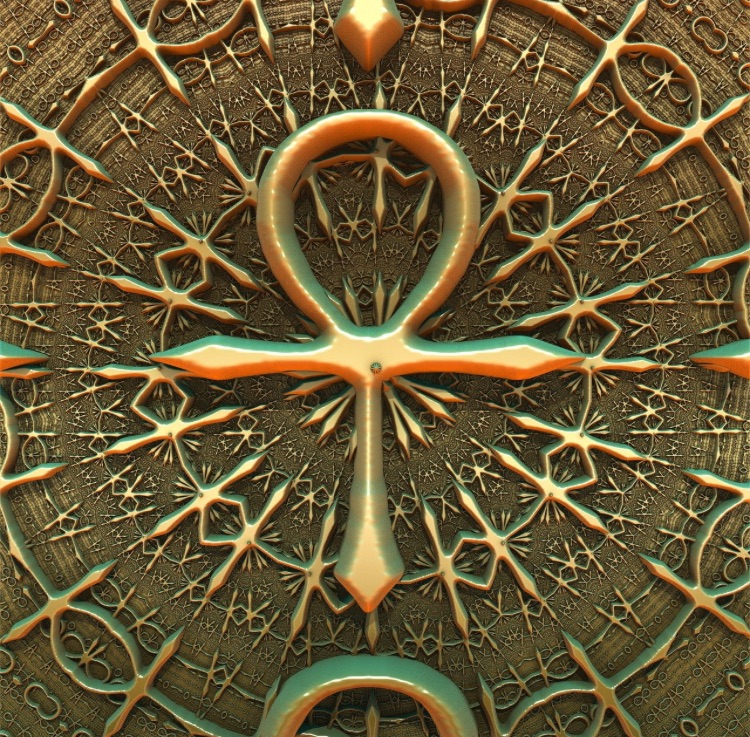
Part XI of Amulets & Talismans Also known as the Key of the Nile or the Key of Life, or the Crux Ansata in Latin (meaning a “handle-shaped cross”) the Ankh is an object that originates from ancient Egypt. It may have come from the 30th – 29th century BC. An ankh looks similar toContinue reading “All About Ankhs, Horus’s Eye, the Nazar… and the Coven Stone?”
Fingers Crossed & Other Handy Things

Part X of Amulets & Talismans Crossing your fingers for luck, or to prevent “evil luck” has been a common thing in English-speaking regions for centuries — mostly in the UK, the US, and some parts of Scandinavia. Not only that, but it is used discreetly whilst someone is telling a lie or making aContinue reading “Fingers Crossed & Other Handy Things”
Review: The Inhabitant of the Lake & Other Unwelcome Tenants by Ramsey Campbell

4 out of 5 stars One of my first thoughts, on reading “The Horror From the Bridge” (the second tale in this collection) was: who is Peabody and why is their voice drifting out of the window (on page 28)? The second story, “The Insects from Shaggai” was one of my favourites. The description ofContinue reading “Review: The Inhabitant of the Lake & Other Unwelcome Tenants by Ramsey Campbell”
All About Hagstones
Part IX in Amulets & Talismans Also known as adder stones or dobby stones, are stones or pebbles that have holes naturally going right through them. These stones were — and sometimes still are — thought to possess magical qualities. These include the ability to heal snake bites, or to see through the disguise orContinue reading “All About Hagstones”
Dead Cats and Lucky Cats

Part VIII of Amulets & Talismans Since at least the 16th-century in England, Scotland, North Europe, and North America, people erecting houses would hide the corpse of a cat (and sometimes other objects such as old shoes, dried dead rats, and witch bottles) in the walls of the building to repel evil spirits and protectContinue reading “Dead Cats and Lucky Cats”
Witch Dolls & Rowans

Part VII of Amulets & Talismans Witch dolls — otherwise known as poppets, poppits, moppets, mommets, pippies, or kitchen witch figures — are small dolls or figures made to represent someone in order to either help that someone or cast a spell on them. They are sometimes discovered hidden in chimneys. Witch dolls have beenContinue reading “Witch Dolls & Rowans”
Rabbit’s Feet & Frog Coffins
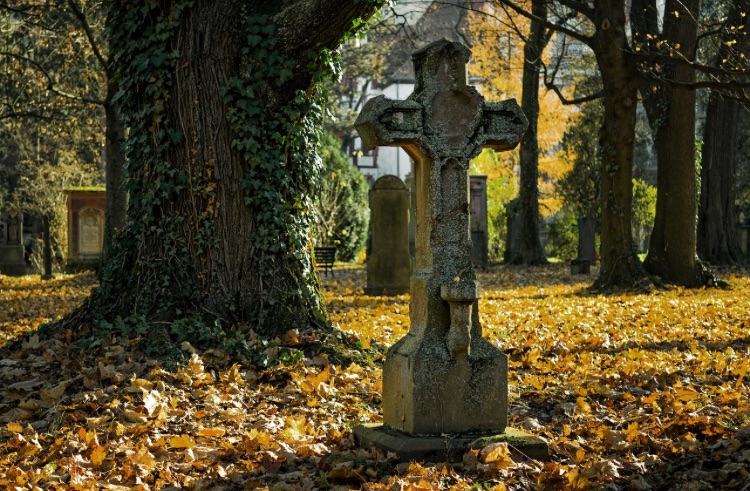
Part VI of Amulets & Talismans The belief in carrying a rabbit’s foot amulet for good luck is held in a lot of places including Europe, Africa, Australia, North America, and South America. In some cases, the rabbit from which the foot came must have certain attributes, for example meeting its demise in a particularContinue reading “Rabbit’s Feet & Frog Coffins”
The power of horseshoes and elf arrows
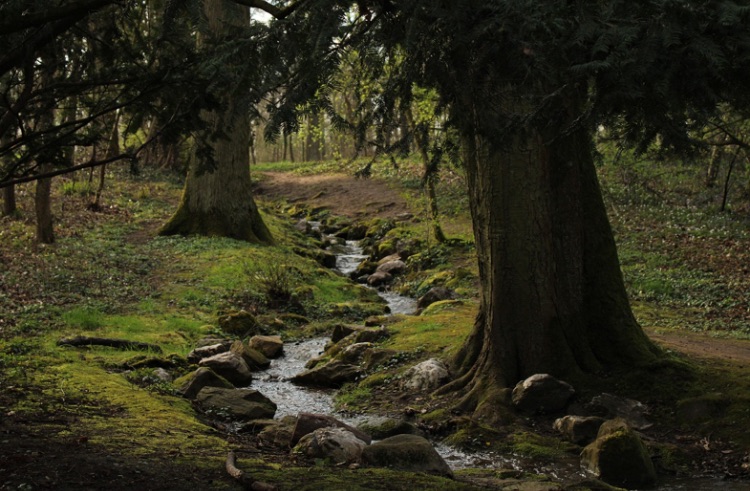
Part V of Amulets & Talismans Most people are aware that the horseshoe is a talisman that brings good luck. However, not a lot of folks know why or how they are supposed to work these days. Because iron was a valuable metal, so that horseshoes were usually reforged and reused, archaeologists cannot know forContinue reading “The power of horseshoes and elf arrows”
Witch Marks & Curse Tablets
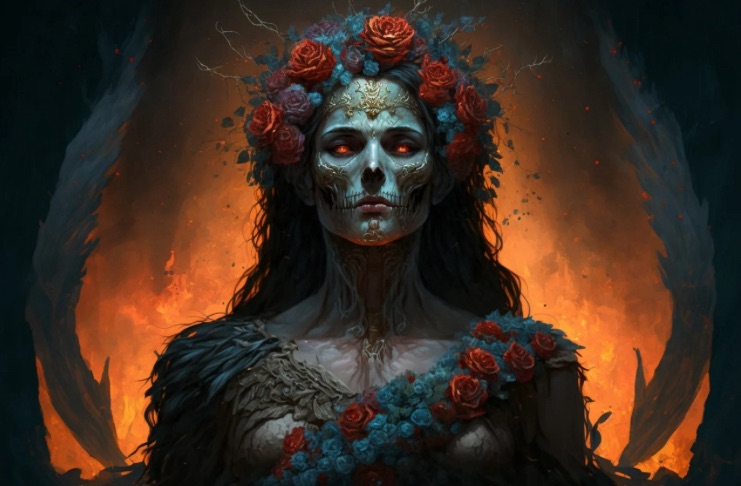
Amulets & Talismans Part III Between the 16th and 19th centuries, strange marks were inscribed near the doorways, windows, and hearths of medieval churches, houses, and barns, and even in caves. Carved into stone or woodwork, these marks were for the protection of inhabitants and their visitors. Protection from evil spirits and witches, hence theContinue reading “Witch Marks & Curse Tablets”
 Nightwalks