
Part XII of Amulets & Talismans
Sumeria was in the southern part of Mesopotamia, which is now mostly Iraq.
The ancient Sumerians had a few different types of amulets for different purposes, including engraved models of animals, bell-shaped amulets, and agates made to look like eyes.
The tiny models of animals were some of the oldest ones in Sumeria, being in existence in the 2000s BC. They were carved out of stone and usually pierced so they could be hung.
Animal forms the amulets were fashioned into included bulls, rams, horses, and female pigs (for fertility and virility), or lions (for strength and overcoming enemies).
Many of the animal amulets were engraved with markings to increase their power, often circles, which perhaps represented the wide-open eyes, or attention, of the gods.
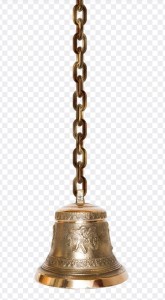
The Sumerians also wore bell-shaped amulets around their necks to ward off the Evil Eye. Interestingly, the Sumerians called conjunctivitis the Evil Eye (or “igi-hulu”) as well.
(Like the Ancient Egyptians, the Sumerians used eye make-up for protective purposes. The mascara or eye-protection paste was made from charred frankincense resin and later from powdered antimony or lead compounds. It had antibacterial qualities and also provided relief from the bright sunlight.)
They also had curse objects, similar to curse tablets. On one Sumerian bowl there was an inscription that wished the victim’s “tongue may dry up in his mouth… that his legs may dry up, that sulfur and fire may burn him, that his body may be struck by scalding water that he may be chocked, estranged, and disturbed in the eyes of all who see him, and that he may be banned, broken, lost, finished, vanquished, and that he may die, and that a flame may seize him.”

Agates were fashioned into amulets resembling eyes, using the agate’s natural bands of colour. The “eyes” would sometimes be inscribed with words and placed on an altar or in a temple as an offering to a god or goddess. Perhaps it was believed that the amulets would protect the life of whoever was named in the inscription.
The Sumerians also had amulets depicting the goddess Lamashtu (in Akkadian, or Dimme in Sumerian) to protect pregnant mothers and newborn infants. She was a malevolent kind of anti-mother goddess with a lion-griffin head, wickedly sharp talons, and a starved-looking humanoid body.
Sometimes Lamashtu was shown in a way that referenced her arch-enemy, Pazuzu. Lamashtu was often presented surrounded by stereotypically feminine / domestic tools as a way of appeasing her, e.g. spindles, pins, and combs.
In their mythology, Lamashtu was daughter of Anu the sky god. She had a strange need to eat newborn babies and cause disease, so she was demoted to demon status for perverting nature. Like many evil entities, she is a conglomeration of predatory animals. An earlier version of her had a wolf’s head.

The only obvious indication that Lamashtu is female is her depiction of nursing “dirty” animals such as pigs and stray dogs.
Lamashtu is basically the inversion of motherhood. The idea of her being on amulets for mothers is that she could be used as a scapegoat if the pregnancy ended in stillbirth or the baby died in some other way. A wealthy woman could always blame her midwife or wet-nurse for the child’s demise and accuse them of witchcraft, but a poor woman who breastfed her own infants would blame Lamashtu.
That may have been why the demon goddess was often shown surrounded by domestic or “feminine” tools — it was a way of placating her as perhaps she wanted to be a mother, but everything motherly she tried to do ended in disaster.
More about Lamashtu can be found here.
Next time we will have a look at Hebrew amulets and incantation bowls.
Other parts of Amulets & Talismans:
 Nightwalks
16 thoughts on “The goddess Lamashtu & Sumerian Amulets”